Artist Statement
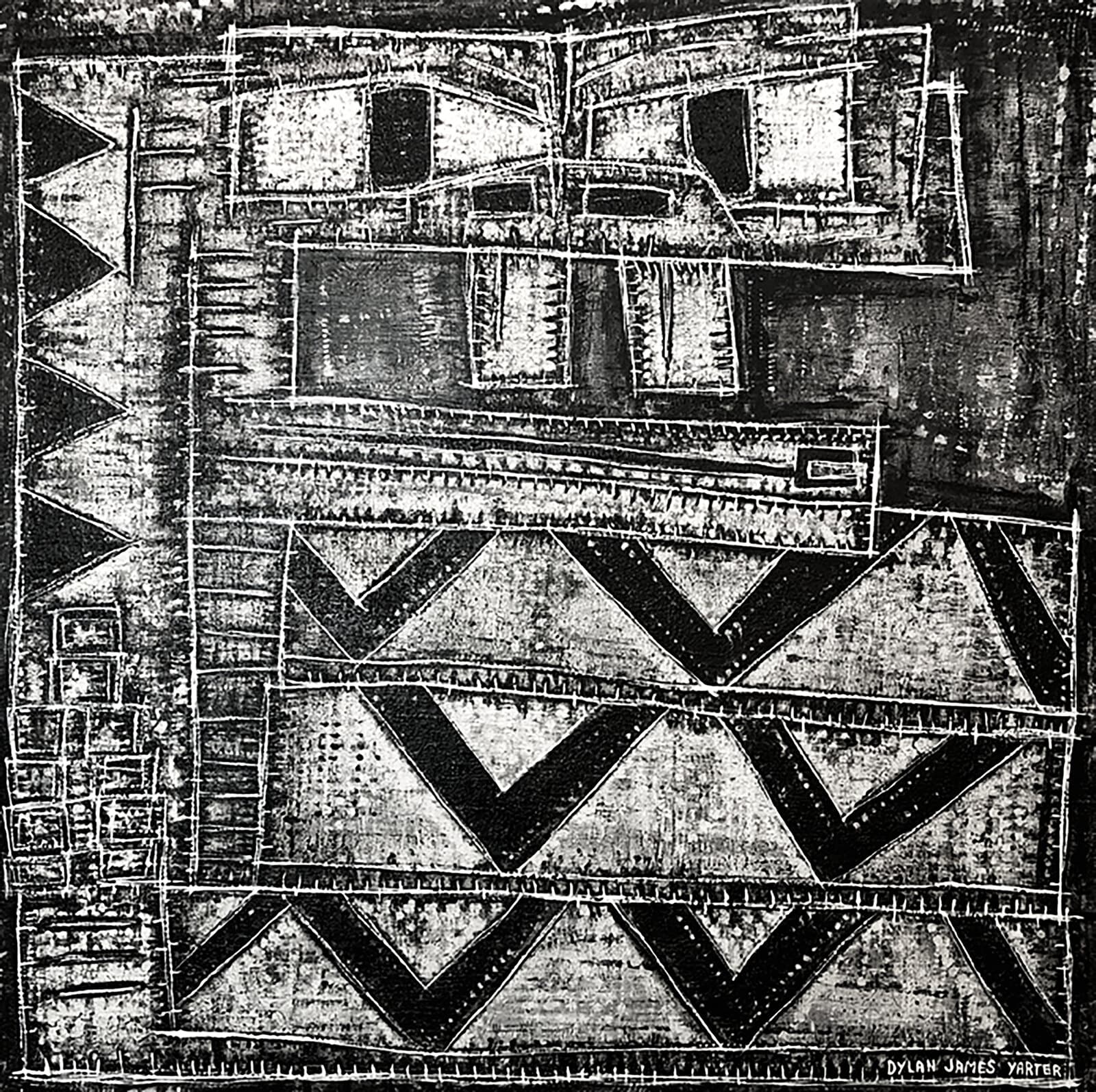
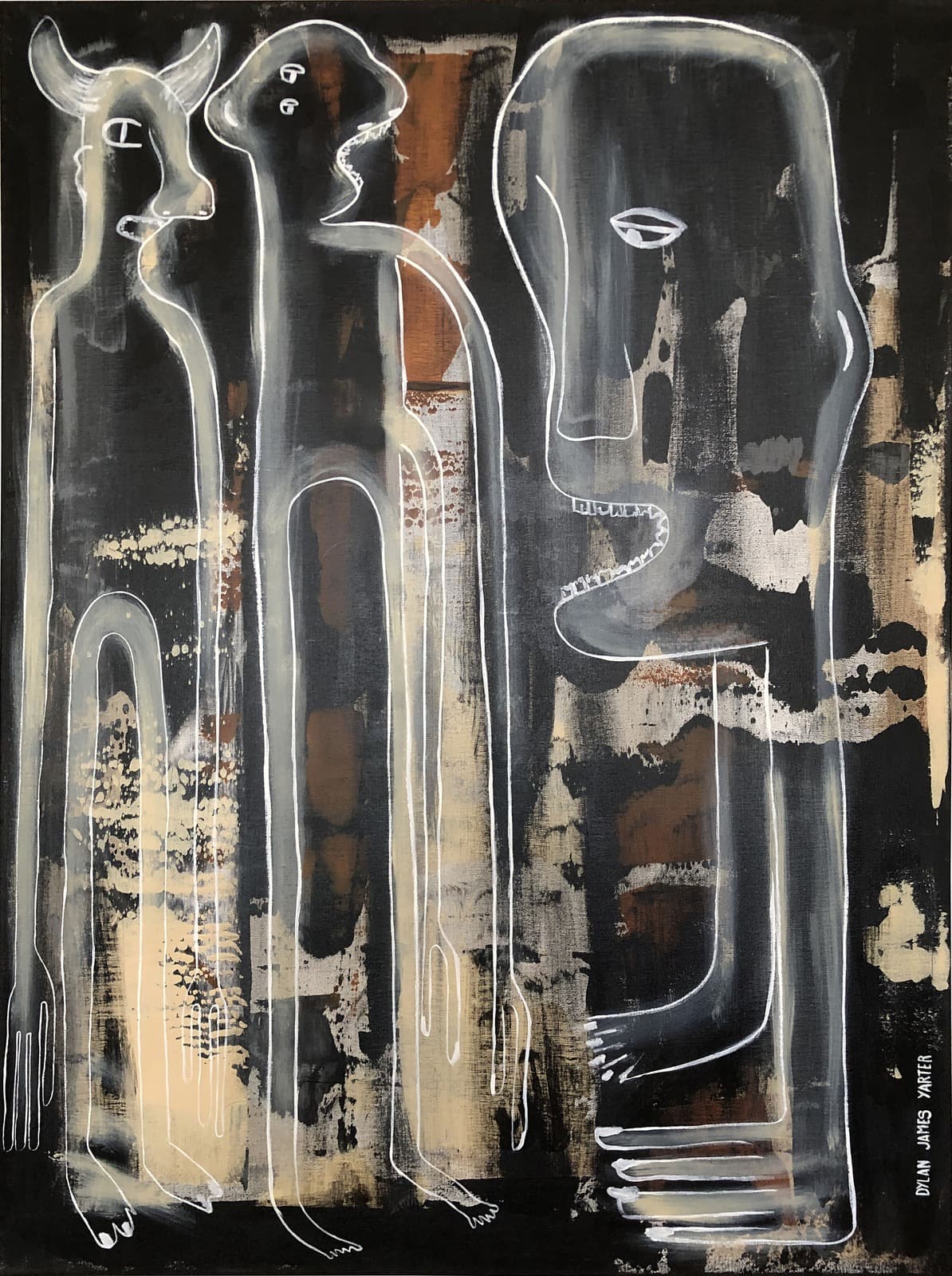
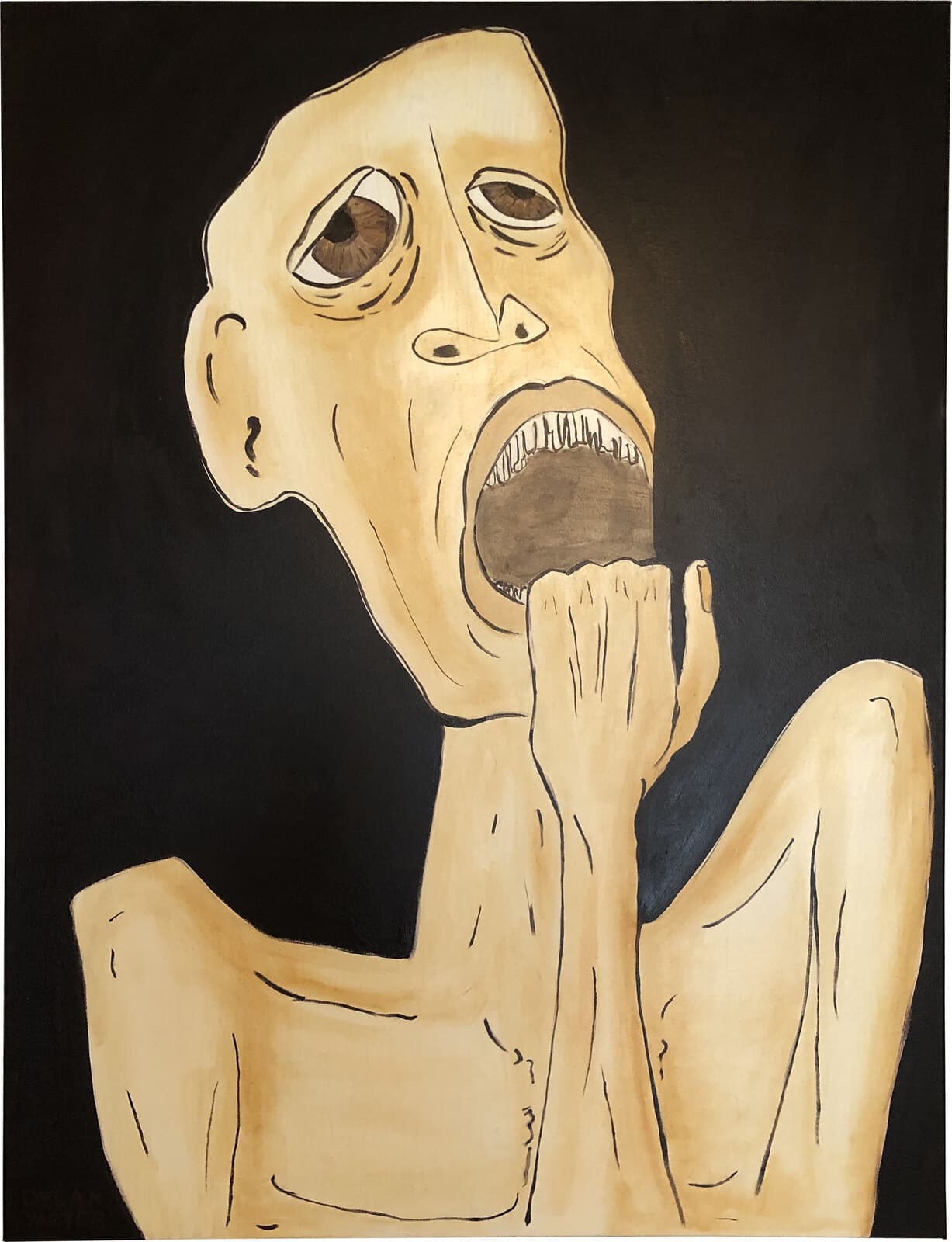
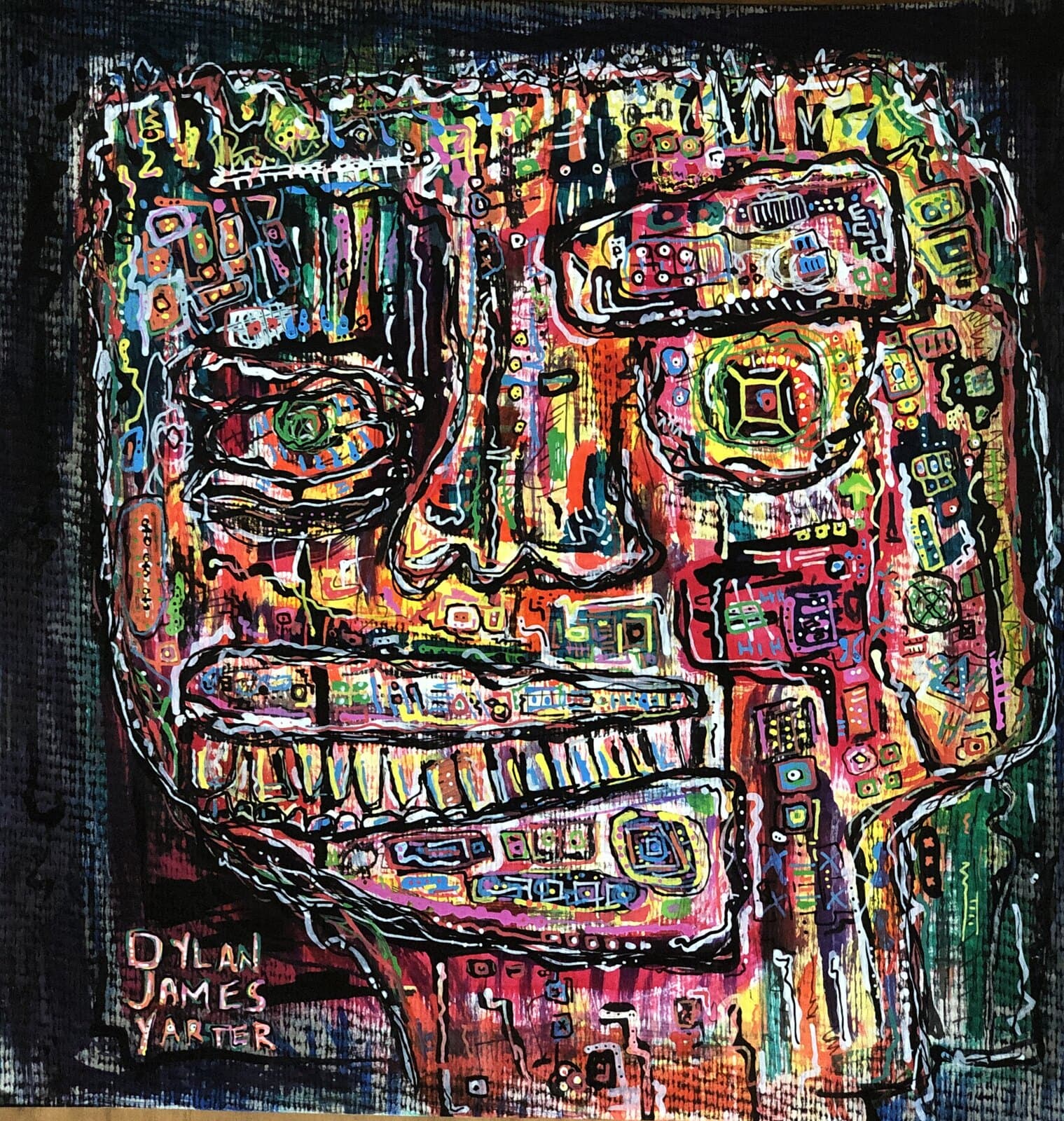
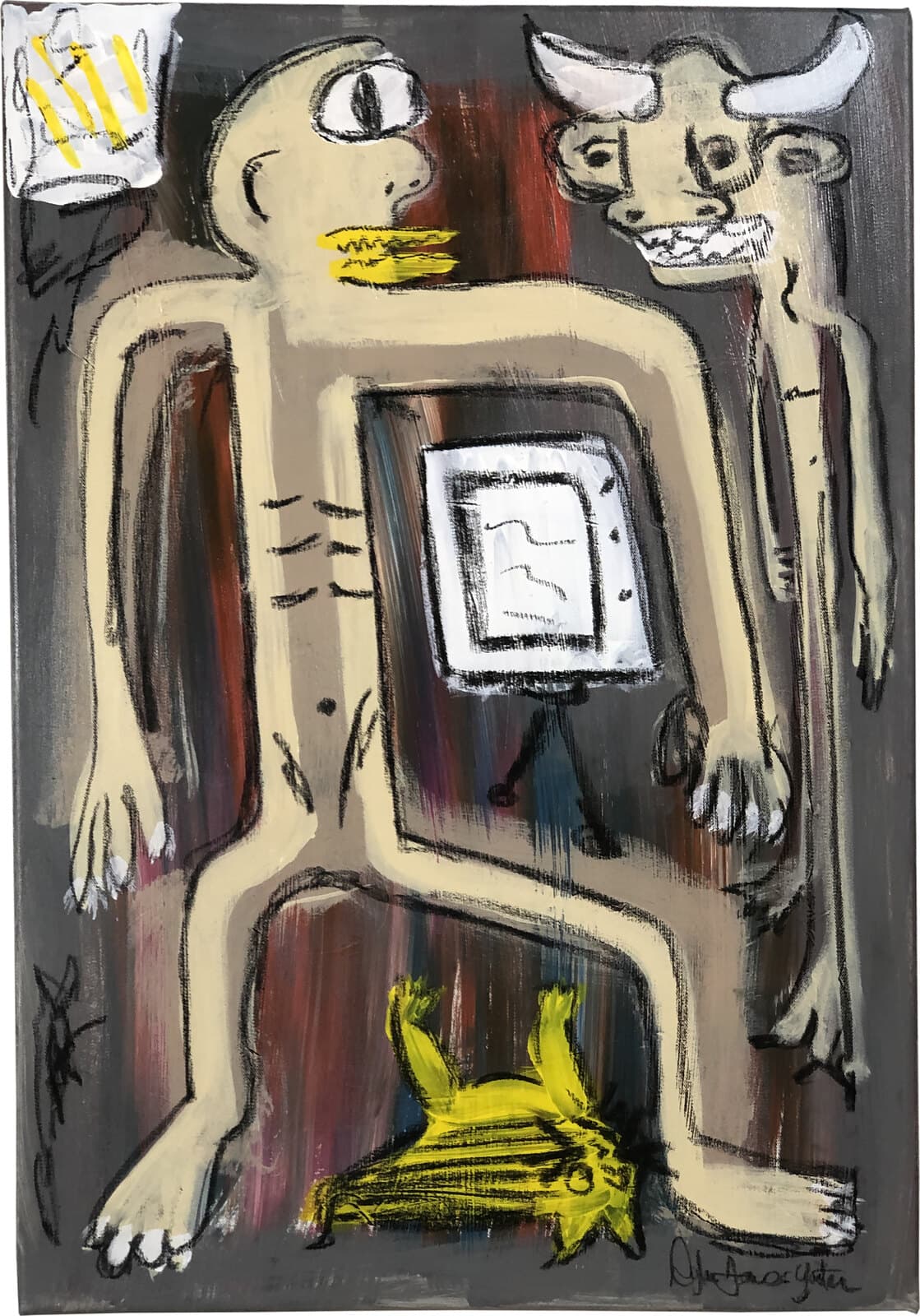
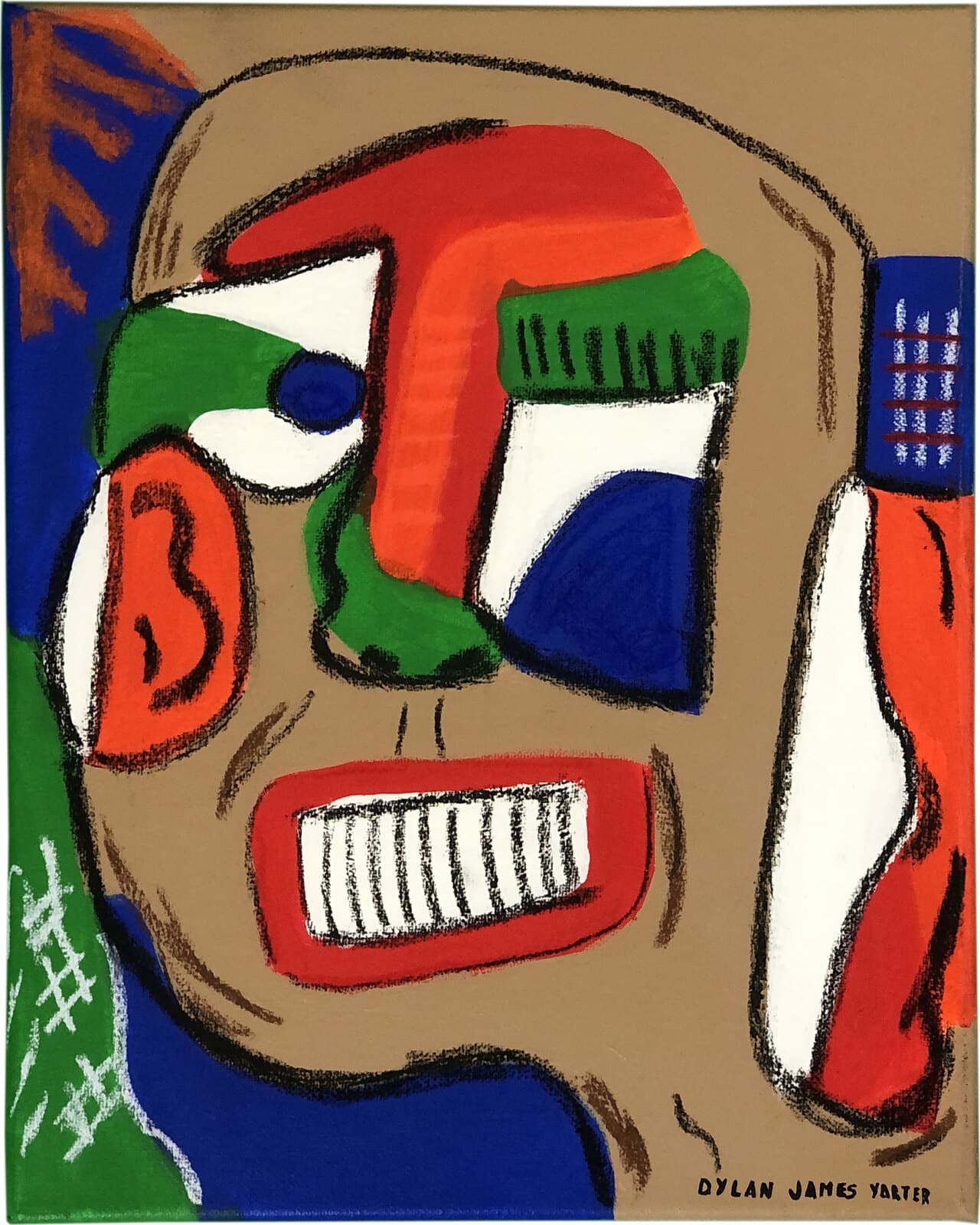
I make BizarreBeasts: primitive animal and humanoid shapes, hand-drawn in ink on paper, mixed media on canvas, and digitally. Every one is its own beast, and none of them ask permission to exist.
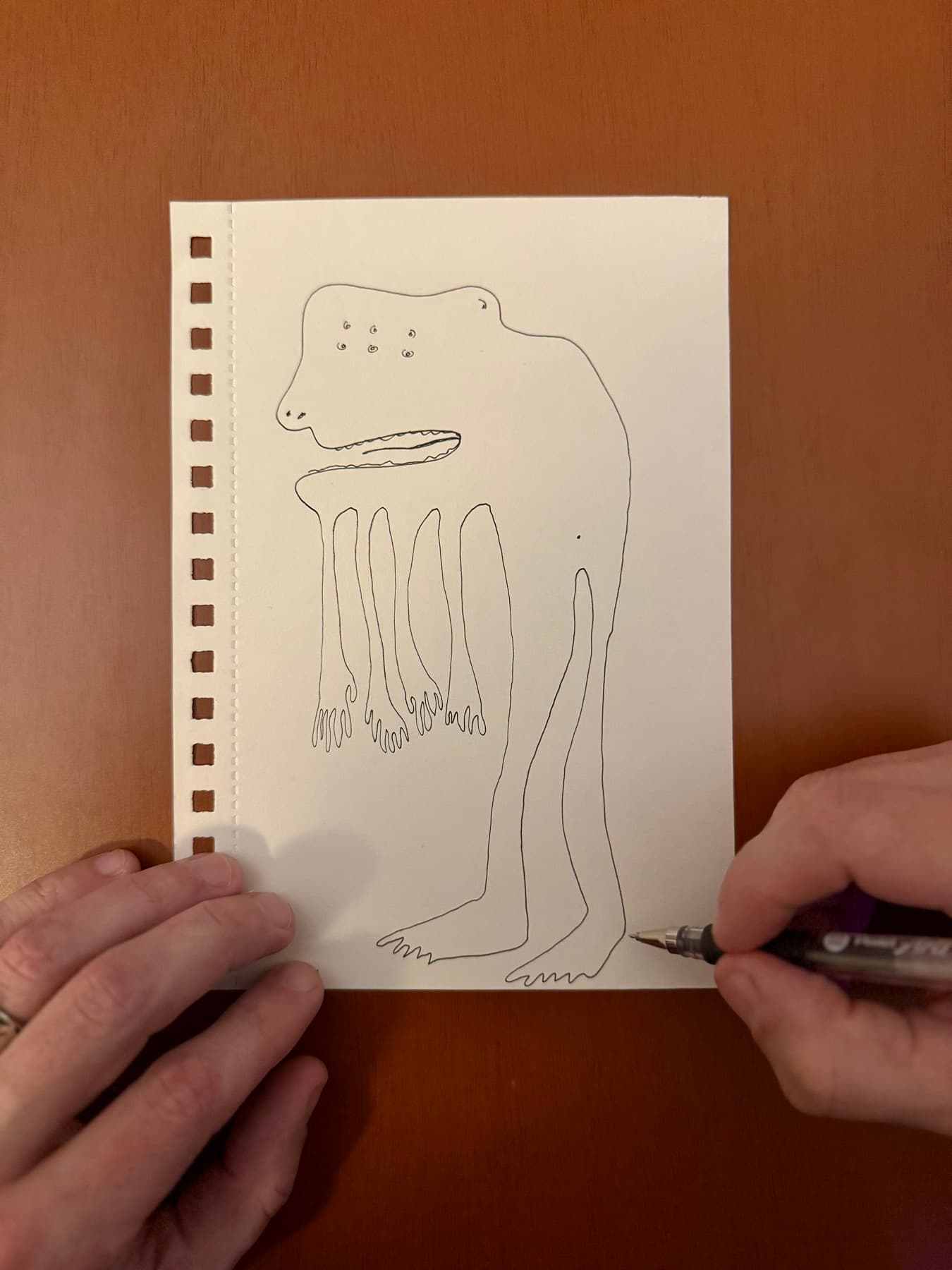
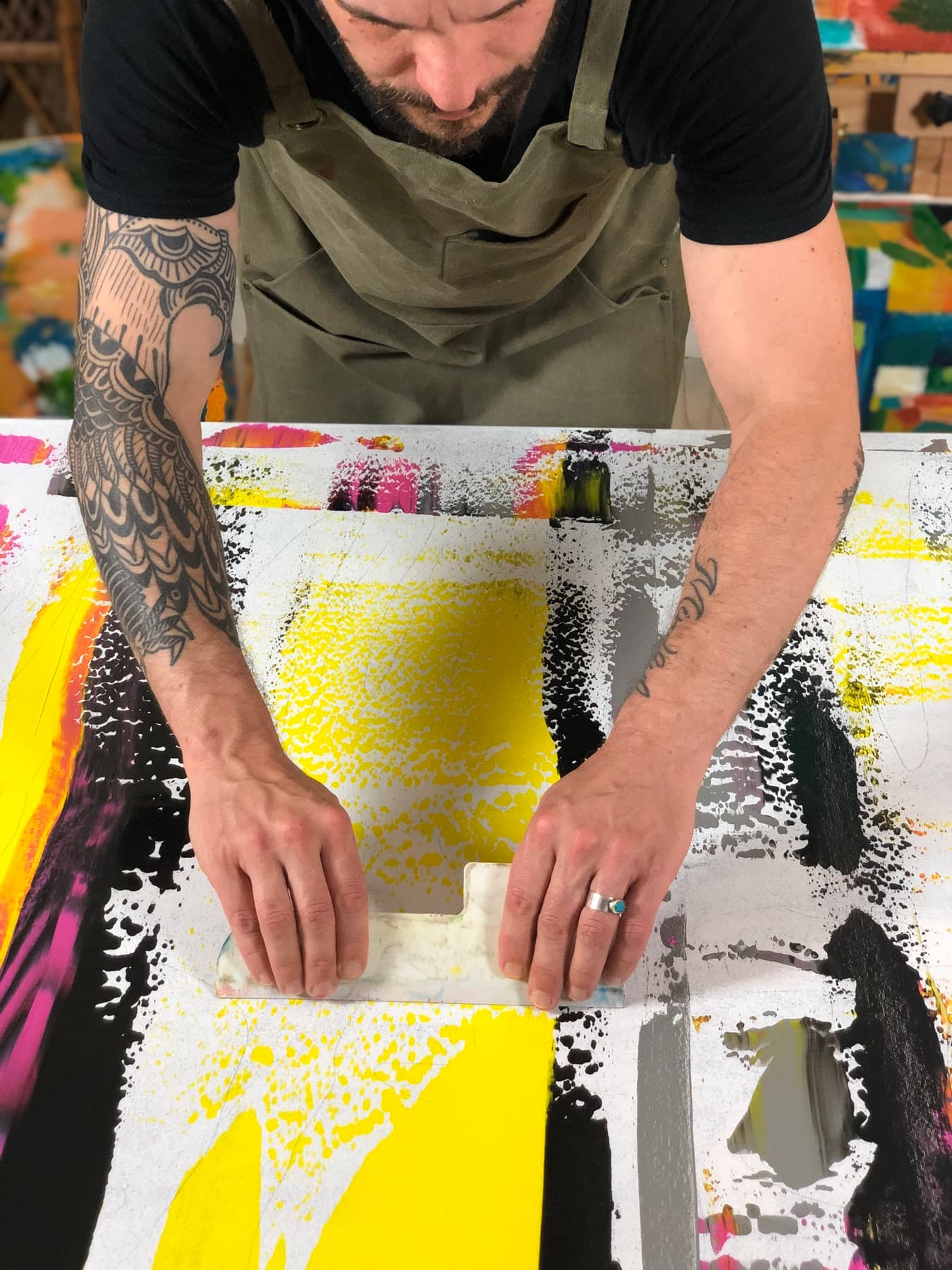
My practice begins with a single line and a commitment to where it goes. The pen goes down and stays down until the shape is finished. I do not plan a composition, reference a model, or sketch lightly to refine later. I do not erase. This is my style and my method: I am not trying to draw them accurately, I am trying to draw them true. What comes out is quirky, sarcastic, full of personality, and both bizarre and uncomfortably human.
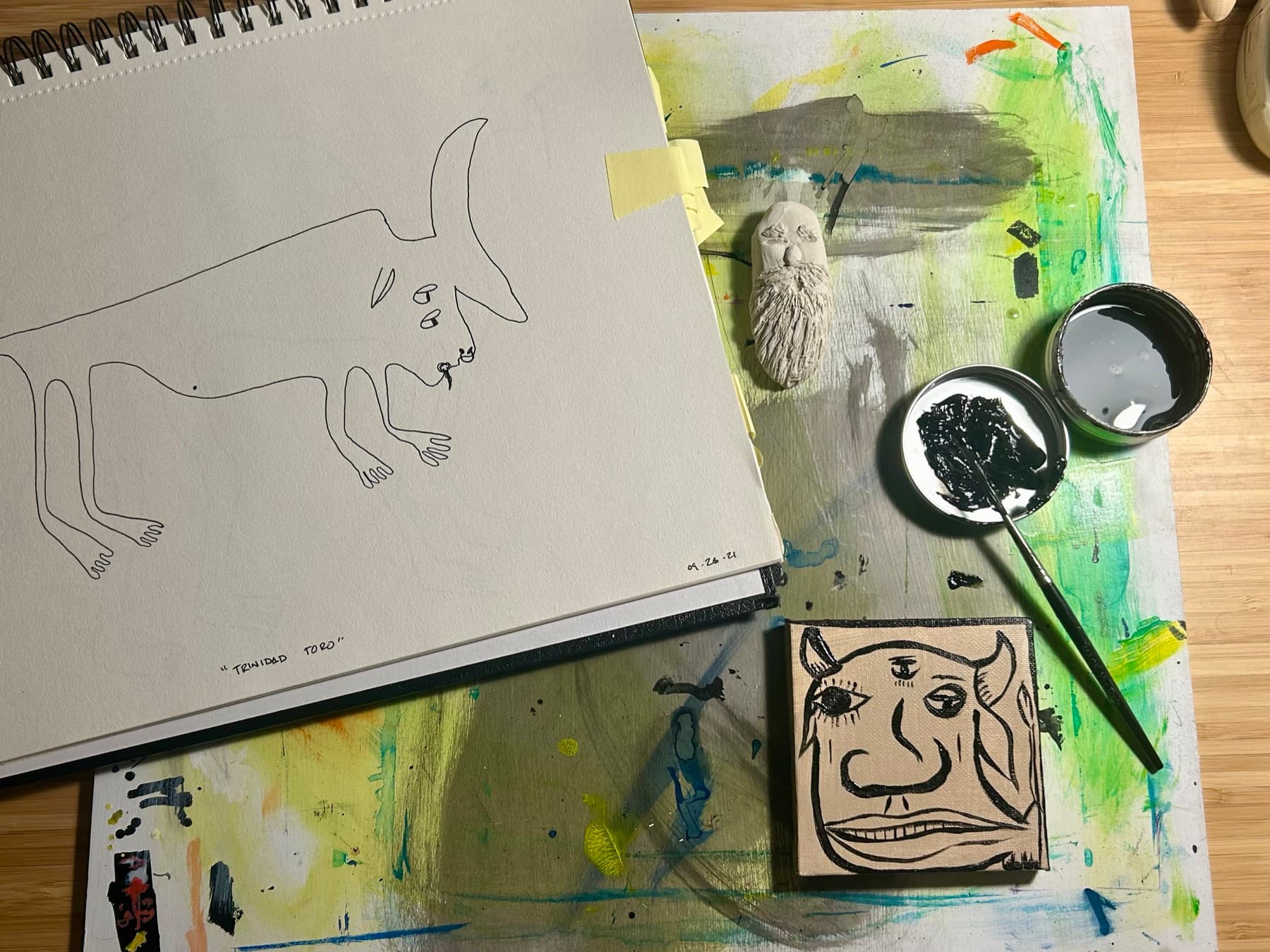
The linework belongs to the oldest drawings humans made: the single unbroken figures cut into the Peruvian desert at Nazca, the animal carvings on the standing stones of Göbekli Tepe, the painted bulls and horses in the caves at Lascaux. Minimal marks, no perspective, a creature's essence caught through economy rather than accuracy. I have spent years with that work in vintage books and photographs, and I have stood in ancient places myself, including Honduras, Guatemala, Mexico, and Native American cliff dwellings. It is there in the silhouettes. The line is ancient. The color is not: high contrast, saturated, deliberately modern, so primitive form and present-day energy live in the same image.
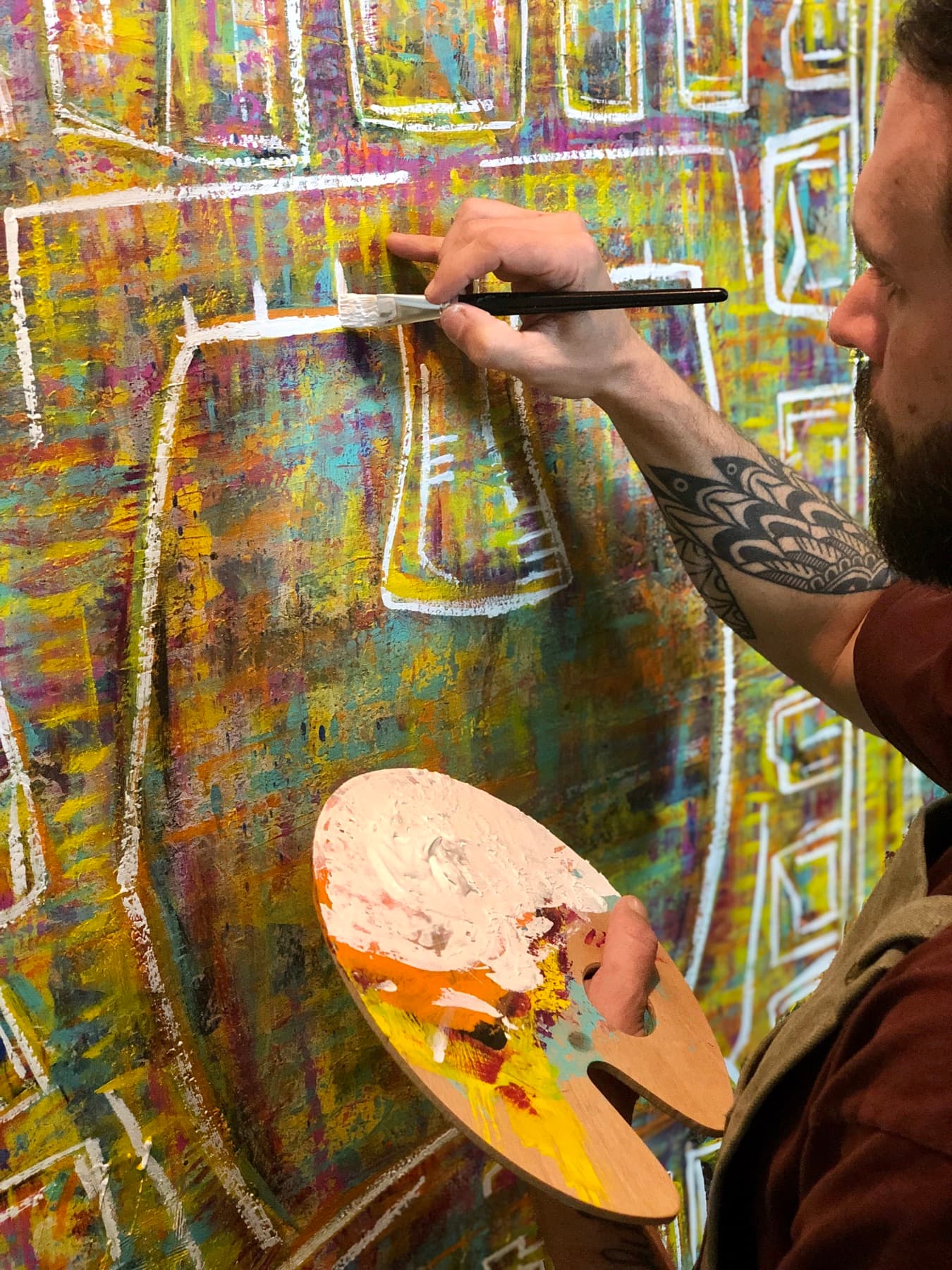
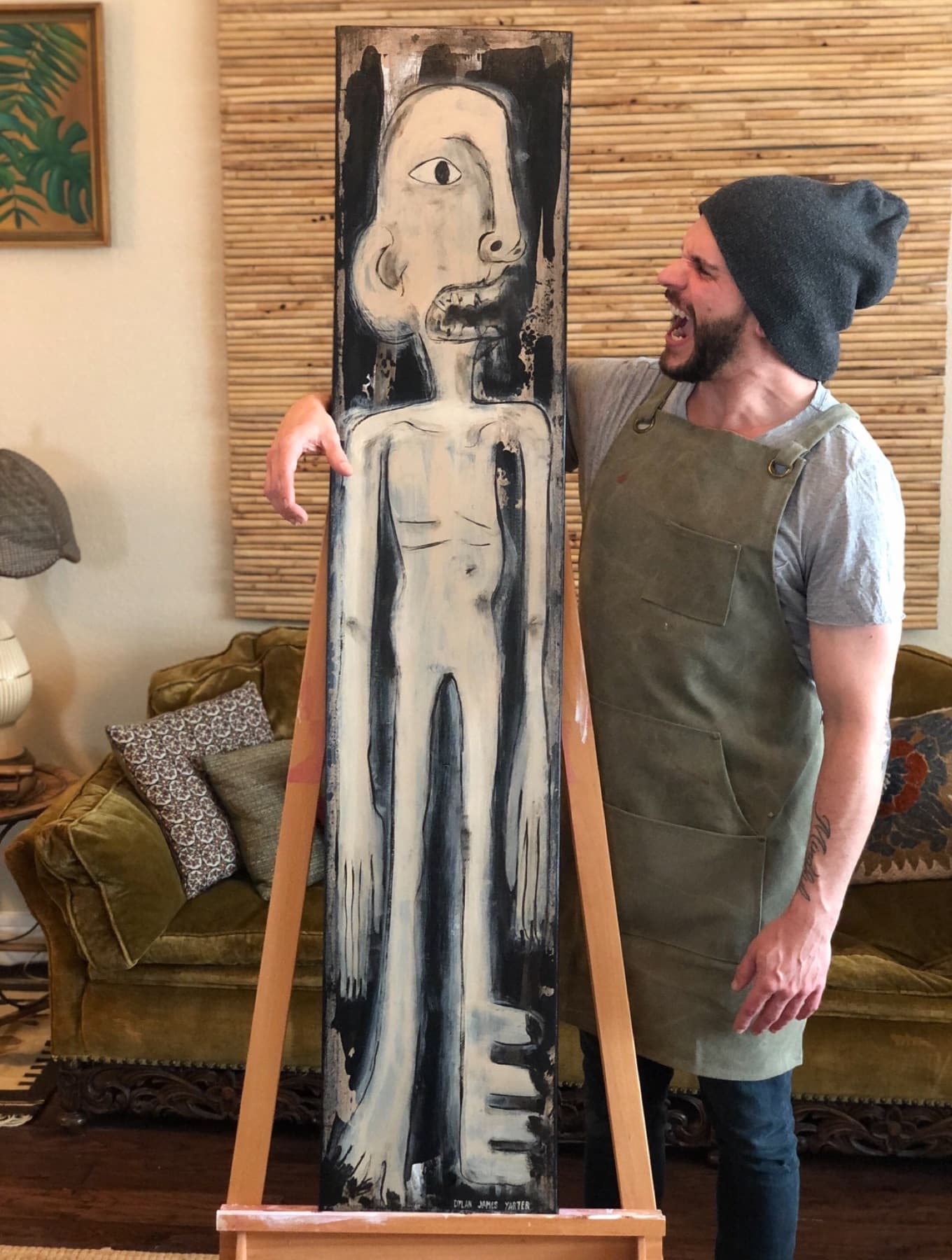
The work is connected. The mediums are just different.
The oldest drawings already suggest movement. An animal drawn with extra legs reads as an animal mid-stride, and the walls it was drawn on were lit by fire that never held still.
I did not want the line cleaned up on its way into motion, so I built the tools myself: the rigging, the walk cycles, the lip sync. The software is a medium here, alongside the ink and the canvas, and it exists to keep the mark alive rather than to tidy it.
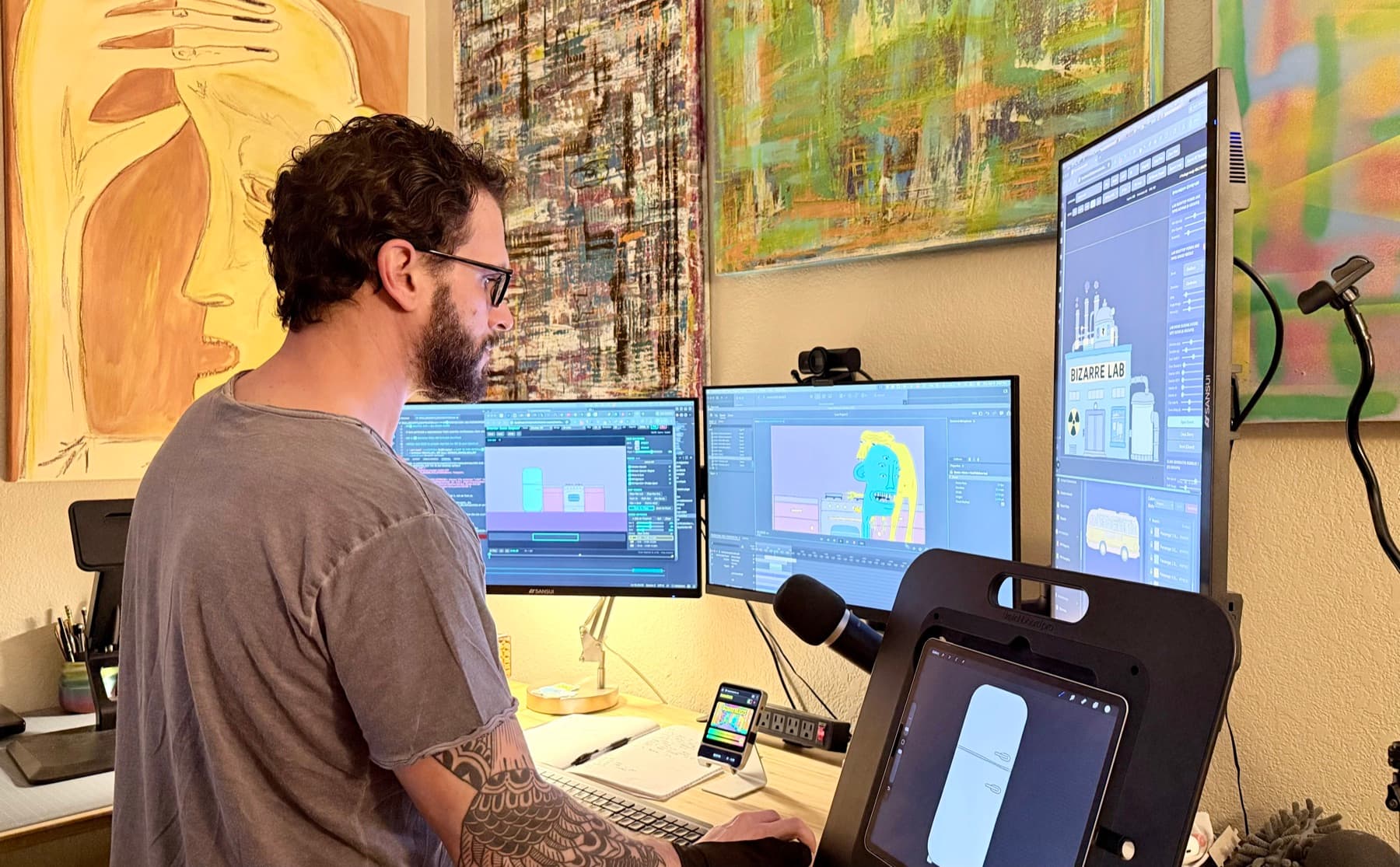
Once they move, we see more of ourselves and the world around us in them. That is what the work is finally about: the uncomfortable space between who we present to the world and who we actually are, made visible so we can laugh at it instead of hiding from it.
From a line in a sketchbook to animation and games people play, the work travels from primitive origins to modern technique, and it is still the same line.